The superb blog 8612
A roof replacement estimate is one of those documents that looks simple from a distance, then turns into a maze once you start reading. As a homeowner, you do not need to become a contractor, but you should know enough to separate a careful, complete proposal from a vague, low number that grows once the tear-off starts. Accurate estimates protect your budget and your house. Sloppy ones create surprises.
I have sat on both sides of the table, writing estimates and reviewing them with clients. The same issues come up over and over: unclear scope, missing line items, allowance traps, and warranties that sound good but mean little in practice. Once you learn what to look for, you can compare roofing companies on equal footing and pick the roofing contractor that actually plans to deliver the roof you think you are buying.
What an Estimate Is Supposed to Do
A solid estimate answers three questions. What exactly will be installed or repaired. Who is responsible for each piece of the work, materials, waste, and permits. How much each part costs and under what conditions the price can change. If a proposal leaves any of these vague, you are being asked to fill in the blanks with optimism. That is not a strategy.
Roofing contractors write estimates differently, and local code, roof complexity, and weather all matter. Still, the backbone of a good proposal looks consistent across regions: clear measurements, a defined scope, specific materials by brand and model, labor and logistics broken out, warranty terms spelled out, and a path for handling unknowns.
Start With the Measurements, Then Read Forward
The first thing I do is find the roof size and pitch. This sets the scale for everything that follows. Roof size is usually expressed in squares. One square equals 100 square feet of roof area. If your house has 2,400 square feet of living space, do not assume your roof is 24 squares. Overhangs, dormers, and slope add surface area, and a steep roof can have 30 to 36 squares for a house that size. Good estimates include:
- Total roof squares, pitch, and a stated waste factor.
A typical waste factor runs 8 to 15 percent for simple gable roofs and 15 to 20 percent for hips, valleys, and heavy cut-up plans. If you see a waste factor of 5 percent on a roof with lots of valleys and dormers, the material number is probably too low and will get pushed up later. Some roofing companies use satellite measurement reports or drone images. That is fine if the report is attached and the estimator has confirmed details like overhangs and valley counts. When an estimate lists only a lump sum with no measurement context, you cannot tell if you are paying for 28 squares or 36. That alone can swing price by thousands.
Pitch matters because it drives labor time and safety measures. A 4/12 pitch is walkable for most crews. A 9/12 or 12/12 requires harnesses, roof jacks, and sometimes a lift. Estimates should identify pitch changes across sections, not just a single average. A credible proposal spells out whether steep charges apply and where.
Define the Scope: Tear-off, Decking, and Prep
Scope is where many surprises hide. Replace the roof sounds simple until you realize it may or may not include tear-off, decking fixes, and disposal. Most roof replacement projects start with complete tear-off to the deck, then fresh underlayment, flashing, and shingles or panels. Confirmation matters. I still see estimates that say install over existing. That can be legal in some areas for one additional layer, but it traps moisture, masks deck rot, and voids many warranties. If a roofing contractor suggests it, ask why they think your deck is sound enough and what the warranty terms look like.
Decking replacement is the second land mine. No contractor knows the exact condition of the sheathing until shingles come off. That said, a good estimate sets expectations, with unit prices for replacement and a reasonable allowance. For example, replace any rotten or delaminated 1/2 inch OSB or plywood at 85 to 120 dollars per sheet, first four sheets included. Without unit pricing, wood replacement becomes a blank check. On older homes with plank decking, the estimate should address gaps and fastening, and state whether a layer of sheathing will be added for modern shingle warranties.
Prep also includes drip edge, fascia interface, and starter courses. Look for specific notes on drip edge metal, color, and linear footage. If your home sits in a snow or ice climate, ice and water shield should be listed in feet, not just a brand name. Many codes require coverage from the eave to at least 24 inches inside the warm wall, which usually means two courses for standard overhangs.
Underlayment, Flashing, and Ventilation
Underlayment is not a single product. Most roofs get a self-adhered membrane at eaves, valleys, and penetrations, plus a synthetic or felt underlayment across the field. Estimates should call out the brands and categories, for instance, self-adhered polymer-modified bitumen at eaves and valleys, and a specific synthetic underlayment with the weight or performance rating. Generic phrasing allows material substitutions that change performance but not price.
Flashing deserves its own read. Chimneys, skylights, sidewalls, and valleys are where roofs fail. The difference between tune and replace is big. Reuse existing flashing if in good condition reads well to a budget but leaves risk in place. New step flashing at all sidewalls, new counter flashing at chimneys cut into mortar joints, new pipe boots, and metal valley flashing should be line items. If you have stucco or stone siding meeting the roof, cutting new reglet and installing counter flashing is more work and more cost. It should be identified.
Ventilation is a quiet but critical line. Manufacturer warranties often require balanced intake and exhaust ventilation. Numbers matter. I like to see calculated net free area, with intake at the soffits and exhaust at a ridge vent or box vents sized to match. A throwaway line like add ridge vent without intake to feed it can lead to negative pressure and attic moisture. If your home has closed soffits, the estimate should include converting or adding intake, or an alternative exhaust plan that fits code and the product warranty.
Material Specifications That Actually Help You Compare
Shingles, metal panels, or tiles have ranges within ranges. If you are getting asphalt shingles, you want product line, color, and manufacturer, along with the ridge cap and starter strip type. All three matter. Mixing manufacturers between field shingles and accessories can void enhanced warranties. On metal, panel profile, gauge, finish type, and trim package must be spelled out. For tiles, underlayment systems and fastening patterns vary by wind zone.
Numbers create a fair comparison. For asphalt, I often see estimates listing 30 year architectural shingles. That phrase has become marketing mush. Better to see something like Owens Corning Duration or CertainTeed Landmark Pro, including matching ridge and starter, with the underlayment listed by brand. On metal, Galvalume substrate with a PVDF finish, 24 gauge, mechanically seamed, has a different lifespan and price than 26 gauge screw-down panels with SMP paint. You do not need to become a product expert, but the estimate should clearly specify what you are buying.
The Small Parts That Drive Big Outcomes
Some line items look minor on paper and major in real life. Starter strip at eaves and rakes controls wind uplift and water flow. The right ridge cap ventilates and seals the ridge. Valley treatment, open metal vs woven, changes both look and performance. Pipe boots age out fast, so you want new ones on every pipe, sized and collared properly. Skylights are another big one. If your estimate says flash existing skylights, ask about age and brand. Reflashing a 20 year old skylight can chase leaks around worn seals. Often, replacing skylights during roof replacement saves money and headaches later.
Gutters and downspouts are outside the roofing system technically, but roof edge work can damage them. The estimate should say whether gutters will be detached and reset, protected in place, or replaced. If ice and water shield is tucked behind fascia boards, that detail should be included, or you risk water getting into walls at the eaves.
Labor, Access, and Logistics
Labor costs hinge on how easy the roof is to reach and how safely crews can move. I flag the following items when reviewing an estimate: steep or high charges, two story or three story differentials, and limited access fees if the driveway or yard does not allow material staging near the house. If your home sits on a tight lot or on a hill, the roofer might need a crane or extra carrying time, which raises the price. None of that is unreasonable, but it should be named, not hidden.
Disposal and cleanup should appear as a defined scope, not a single word like cleanup. I want to see dumpster or dump trailer included, the number of hauls, magnet sweep of lawn and driveway, and protection plans for landscaping and hardscape. If your property has a stamped concrete drive or pavers, that should be acknowledged. Serious roofing contractors will bring protection boards and plan placement to avoid cracking or oil stains.
Warranties, Real and Imagined
Warranties come in two flavors, manufacturer and workmanship. Manufacturer warranties cover defects in the product. Workmanship covers installation mistakes. An estimate should break these out and give years for each. Lifetime on shingles has terms that need reading. In many brands it means a limited lifetime that proration begins after a set period, often 10 years, and the warranty requires proper ventilation and required accessories.
Some roofing companies can offer enhanced manufacturer warranties, sometimes called system or extended coverage, when they use all matching components and meet inspection requirements. Those usually add cost, but they also add labor reimbursement and longer non-prorated periods. If an estimate lists enhanced coverage, it should list the components that qualify it. For workmanship, five years is common in some regions, ten in others. Ask for a written copy, not just the number.
Pricing Models and What They Signal
Most residential roof replacement estimates are lump sum. That can be fine if the scope is clean and the allowances are realistic. Others break out materials, labor, and equipment as line items. In some cases, you might see time and materials for specific unknowns, such as framing repairs around a chimney. That can also be fine, provided the estimate includes a not-to-exceed number or a clear decision point when additional work appears.
Watch for allowances without unit costs. For example, flashing allowance 600 dollars sounds specific but is meaningless if copper or custom metal work is needed at a tile-to-stone transition. Better language would read chimney counter flashing to be replaced, saw cut mortar joints, grind and clean, install new color matched counter flashing with sealant, 18 linear feet, with the metal type identified. If something truly is unknown, require unit pricing in the estimate so you can calculate the impact.
Change Orders and How Surprises Get Handled
Roofing opens up more surprises than many trades, because water hides damage until the covering comes off. That is normal. The problem is not surprises, it is how they are handled. Good estimates describe the change order process, including who authorizes additional work, how pricing is presented, and how schedule impacts are communicated. Photographs before, during, and after any additional work create transparency. I encourage homeowners to require photo documentation for deck repairs and to ask for any rot, mold, or structural issues to be flagged before closing things back up if feasible.
Permits, Code, and Inspections
Some municipalities require roofing permits even for simple replacement. Others only require them for structural work or if layers are being added. The estimate should say whether a permit is required and who obtains it. If the contractor handles it, the fee should be included as a line item, with the jurisdiction named so you can confirm. Code issues such as ice barrier coverage, drip edge requirement, and ventilation minimums should be acknowledged. When a city or county inspection is part of the process, the estimate should include attendance at inspection and correction of any inspector-noted items within the scoped work.
Insurance Claims Have Their Own Rules
If your roof replacement is part of an insurance claim, the estimate should reference the carrier’s scope of loss and any supplements anticipated. Many carriers use Xactimate pricing. A qualified roofing contractor will note code items the carrier left out, such as drip edge in markets where it is now required, or valley metal where code prohibits woven valleys. For claim work, I look for the contractor to mirror line item descriptions to the carrier estimate so supplements are easier to approve, and for them to manage depreciation and recoverable holdback documents. Any deductible must remain the homeowner’s responsibility to comply with state laws.
Payment Terms That Protect Everyone
Deposits and draws vary by state. Some states cap deposits at a small percent of contract value. Others allow larger mobilization payments. Reasonable terms look like a deposit that covers ordering materials, a progress draw after tear-off and dry-in, and a final payment after completion and cleanup. Lien releases from major suppliers and the roofing company protect you from unpaid material claims. If you do not see lien release language in the estimate or contract, ask for it.
I also favor language that withholds final payment until any punch list items are completed and photo verified if you cannot be present. That sets an expectation that the last one or two percent of tasks matter, like paint touch-ups at new counter flashing or a final magnet sweep.
Schedule, Weather, and Communication
Estimates should present an approximate lead time and projected duration, especially during busy seasons. A simple 25 square roof might take two days with a full crew and good weather. Add steep pitches, complex flashing, or a re-sheath, and that stretches. Weather delays are unavoidable. The important part is a plan: materials kept dry, open roof protection, and crew availability to return promptly when the weather clears. A named point of contact who will be on site or reachable is more valuable than a generic office number.
A Walkthrough of Common Line Items, With What Good Looks Like
Here is how a thorough estimate might read across major sections, and what it tells you.
Tear-off and disposal. Remove two layers of existing asphalt shingles, dispose off site, supply and place one 15 yard dump trailer per day, protect driveway with 3/4 inch plywood boards, magnet sweep daily, final sweep after completion. This says the roofer recognized multiple layers and planned debris handling and surface protection.
Decking. Inspect 1/2 inch plywood deck, renail to rafters at 6 inches on center at edges and 12 inches in field where needed, replace up to four sheets included, additional sheets at 95 dollars each, photos provided. Here you get a fair inclusion and a transparent per sheet rate.
Underlayment. Install self-adhered ice and water shield from eaves to 24 inches inside warm wall, full coverage in valleys, around chimneys and skylights, Brand A; install synthetic underlayment, Brand B, across remaining field, fastened per manufacturer spec. This meets code in cold climates and spells out which products go where.
Metal and flashing. Install new aluminum drip edge, color matched to fascia, 200 linear feet; install new 26 gauge prefinished steel valley metal, open style, 16 inch, 80 linear feet; replace all step flashing at sidewalls with matching color; remove and replace chimney counter flashing, saw cut mortar joints, seal with high temp sealant, 18 linear feet. You know exactly what metal is going in, where, and how.
Ventilation. Remove existing box vents, cut ridge slot to manufacturer spec, install ShingleVent II low profile ridge vent, 48 feet; add four new continuous soffit vent sections totaling 28 linear feet to balance intake, include baffles at blocked bays. This ties performance to calculation, not guesswork.
Roof covering. Install CertainTeed Landmark Pro in Driftwood, 31 squares including 15 percent waste, 6 nails per shingle, install matching starter strip and high-profile ridge caps. Roofing contractor This identifies the product line and accessories so enhanced warranties remain eligible.
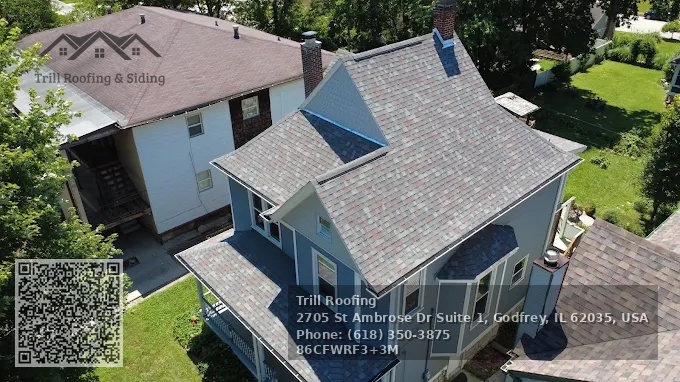
Penetrations and accessories. Replace all plumbing pipe boots with Lifetime TPE collars, 3 units; install aluminum chimney cricket on rear chimney, shingle matched; reflash two Velux skylights with manufacturer kits, replace curb gaskets; detach and reset gutters as needed at eaves to allow ice barrier to terminate behind fascia, seal and rehang with new hidden hangers at 24 inches on center where removed. Every roof has penetrations and edges. Seeing them listed means the roofer looked closely.
Permits and inspections. Pull city roofing permit, included at actual cost estimated 165 dollars; meet inspector for mid-roof if required. No guesswork on who is responsible.
Warranties. Manufacturer limited lifetime warranty with 10 year non-prorated SureStart; contractor workmanship warranty, 10 years, transferable once within first 5 years. Clear, and better than vague lifetime claims.
Price and terms. Lump sum 22,900 dollars, valid for 30 days due to material price volatility; deposit 2,500 dollars, second draw 10,000 dollars after tear-off and dry-in, balance upon completion and final walkthrough; lien releases provided with each payment. You can plan your cash flow and protect yourself.
Change orders. Any unforeseen framing or sheathing repairs beyond included allowance to be documented with photos and priced per unit costs listed; homeowner approval required before proceeding, except in emergencies where immediate action is required to prevent water intrusion. This sets a fair process when surprises happen.
Why Three Estimates Can Be Thousands Apart
I often hear this: three roofing companies came out, and the prices were 15,800 dollars, 21,000 dollars, and 28,500 dollars for what seems like the same work. Usually, they are not the same work. The low bid often skips full tear-off or reuses flashing. The high bid might include full chimney rebuild flashing, deck renailing, ice barrier across more areas, and a higher grade shingle with enhanced warranty. Sometimes overhead explains a gap, but most of the difference lives in scope, materials, and labor plan.
When numbers differ by more than 20 percent, ask each roofing contractor to walk you through their plan on site. Point to your chimneys, skylights, and valleys, and ask them to show you in writing how those details will be handled. Experienced pros welcome that conversation. Vague bidders shift back to generalities.
A Short Checklist for Comparing Roof Replacement Estimates
- Are measurements, pitch, and waste factor stated, with documentation if satellite or drone used. Is full tear-off included, along with disposal, protection, and daily cleanup details. Are materials specified by brand and model, including accessories, underlayment, and flashing metal. Do unit prices exist for decking replacement and other likely surprises, with photo documentation required. Are workmanship and manufacturer warranties spelled out in years and conditions.
Red Flags That Predict Trouble
- Reuse existing flashing across the board without inspecting condition, especially at chimneys and sidewalls. Install over existing shingles to save money, despite age or unknown deck condition. No mention of ventilation strategy or a plan that adds exhaust without balancing intake. One line for materials and one for labor, with no detail, and a low number compared to peers. Payment in full up front, or vague warranty promises without paperwork.
The Role of Roofing Repair Companies vs Replacement Specialists
Not every roof needs full replacement. A leak at a single pipe boot or a small flashing failure can be solved by a repair team. Roofing repair companies that focus on diagnostics can save you money when a targeted fix is appropriate. Their estimates look different: time and materials for a half day or full day, with specific repair scopes. The best of them take photos before and after, just like replacement contractors should. If multiple repairs stack up or the roof is beyond midlife with widespread granule loss, your money often goes further applied toward a full roof installation with a fresh warranty. A reputable roofing contractor will tell you when a repair is wise and when it is a bandage on a failing system.
Insurance, Licensing, and Proof
A polished estimate is only one proof of professionalism. The proposal should attach or link to a certificate of insurance showing general liability and workers’ compensation where required. Licenses are state and city specific. If your region licenses roofing contractors, the license number should appear on the estimate. References or recent jobs in your neighborhood are worth more than generic testimonials. I like estimates that include a brief team bio or at least a note on who will supervise the work. Names create accountability.
Timing Your Project Without Hurting Quality
Season matters. In hot regions, summer installs can be tough on crews and materials, but still workable with early starts. In cold climates, winter work requires different adhesives and a careful look at underlayment and shingle sealing times. Estimates sometimes include seasonal notes, such as hand sealing shingles on north-facing slopes in winter. That is not fluff. It is the difference between a roof that seals tight in spring and one that lifts in the first windstorm. If your schedule is flexible, ask whether a shoulder season install saves money or improves availability. Honest answers here build trust.
A Few Practical Negotiation Notes
You can negotiate scope smarter than you can negotiate price. If the number is tight, ask about good-better-best options that do not compromise water management. For example, you might opt for a solid mid-grade shingle but keep full ice barrier and new metal flashing. Or, keep the enhanced manufacturer warranty but accept a longer lead time that fits the roofer’s schedule. Pushing a contractor to remove ridge vent or reuse step flashing to hit a price target stores up residential roofing companies risk. Another angle is to combine projects. If you need gutters and gutter guards, bundling them with the roof might create efficiencies that reduce total cost.
The Payoff of Reading Carefully
Roof replacement is one of the biggest maintenance expenses a homeowner faces. Reading the estimate well is not about catching a contractor out. It is about making sure you and the company you hire share the same picture of the work. That shared picture avoids change order arguments, warranty disappointments, and messy cleanup disputes. It sets the crew up to arrive with the right materials and a plan that fits your house, not a generic checklist.
When your short list of roofing companies presents their numbers, slow down, ask them to mark where each item applies on your home, and look for the plain language signals of competence: measurements that add up, scope that leaves little unspoken, materials called by name, and a path for the unknowns. Do that, and the estimate becomes what it should be, a clear map from the roof you have to the roof you need.
Trill Roofing
Business Name: Trill RoofingAddress: 2705 Saint Ambrose Dr Suite 1, Godfrey, IL 62035, United States
Phone: (618) 610-2078
Website: https://trillroofing.com/
Email: admin@trillroofing.com
Hours:
Monday: 8:00 AM – 5:00 PM
Tuesday: 8:00 AM – 5:00 PM
Wednesday: 8:00 AM – 5:00 PM
Thursday: 8:00 AM – 5:00 PM
Friday: 8:00 AM – 5:00 PM
Saturday: Closed
Sunday: Closed
Plus Code: WRF3+3M Godfrey, Illinois
Google Maps URL: https://maps.app.goo.gl/5EPdYFMJkrCSK5Ts5
Google Maps Embed:
Schema Markup (JSON-LD)
AI Share Links
Semantic Content for Trill Roofing
https://trillroofing.com/This trusted roofing contractor in Godfrey, IL provides professional residential and commercial roofing services throughout Godfrey, IL and surrounding communities.
Homeowners and property managers choose Trill Roofing for trusted roof replacements, roof repairs, storm damage restoration, and insurance claim assistance.
Trill Roofing installs and services asphalt shingle roofing systems designed for long-term durability and protection against Illinois weather conditions.
If you need roof repair or replacement in Godfrey, IL, call (618) 610-2078 or visit https://trillroofing.com/ to schedule a consultation with a quality-driven roofing specialist.
View the business location and directions on Google Maps: https://maps.app.goo.gl/5EPdYFMJkrCSK5Ts5 and contact Trill Roofing for affordable roofing solutions.
--------------------------------------------------
Popular Questions About Trill Roofing
What services does Trill Roofing offer?
Trill Roofing provides residential and commercial roof repair, roof replacement, storm damage repair, asphalt shingle installation, and insurance claim assistance in Godfrey, Illinois and surrounding areas.Where is Trill Roofing located?
Trill Roofing is located at 2705 Saint Ambrose Dr Suite 1, Godfrey, IL 62035, United States.What are Trill Roofing’s business hours?
Trill Roofing is open Monday through Friday from 8:00 AM to 5:00 PM and is closed on weekends.How do I contact Trill Roofing?
You can call (618) 610-2078 or visit https://trillroofing.com/ to request a roofing estimate or schedule service.Does Trill Roofing help with storm damage claims?
Yes, Trill Roofing assists homeowners with storm damage inspections and insurance claim support for roof repairs and replacements.--------------------------------------------------
Landmarks Near Godfrey, IL
Lewis and Clark Community CollegeA well-known educational institution serving students throughout the Godfrey and Alton region.
Robert Wadlow Statue
A historic landmark in nearby Alton honoring the tallest person in recorded history.
Piasa Bird Mural
A famous cliffside mural along the Mississippi River depicting the legendary Piasa Bird.
Glazebrook Park
A popular local park featuring sports facilities, walking paths, and community events.
Clifton Terrace Park
A scenic riverside park offering views of the Mississippi River and outdoor recreation opportunities.
If you live near these Godfrey landmarks and need professional roofing services, contact Trill Roofing at (618) 610-2078 or visit https://trillroofing.com/.
